

 Русский
 日本語
日本語 한국어
한국어 中文 (中国)
 Việt
Việt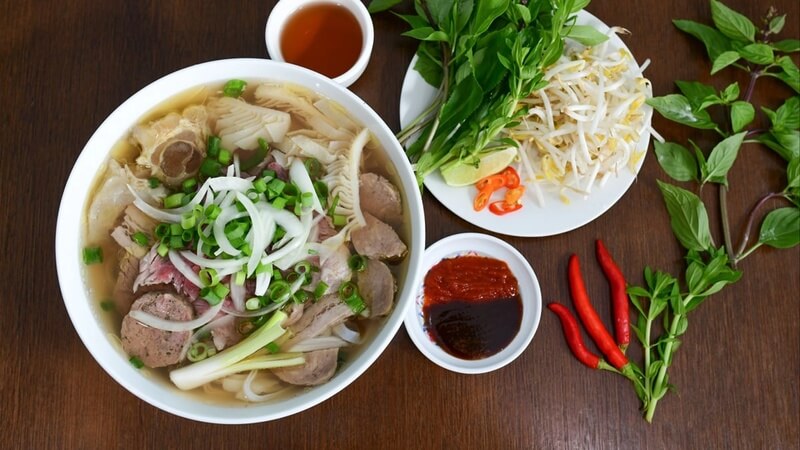
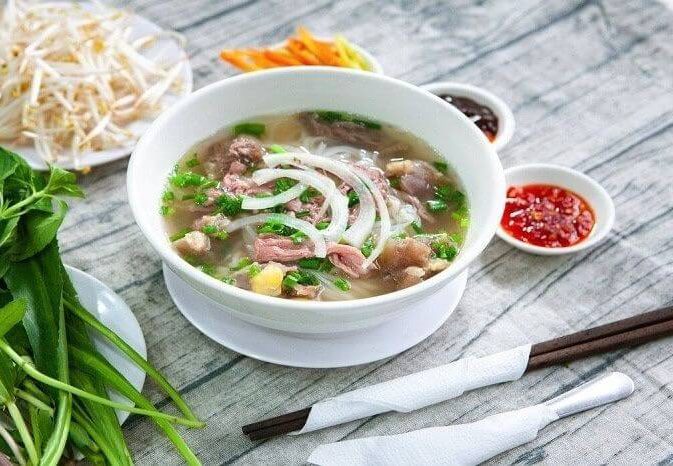
No Vietnamese dish has crossed national borders as quickly and traveled as far as Pho. From a street vendor in Hanoi in the early 20th century, it has now become one of the most recognizable representatives of Vietnamese cuisine on the world culinary map. Pho is a noodle soup made with rice noodles and a broth simmered from bones for many hours, served with beef or chicken and fresh herbs — and the best places to experience it are still the restaurants that preserve traditional broth-making methods without relying on industrial seasonings.
What Is Pho and What Makes It Different?
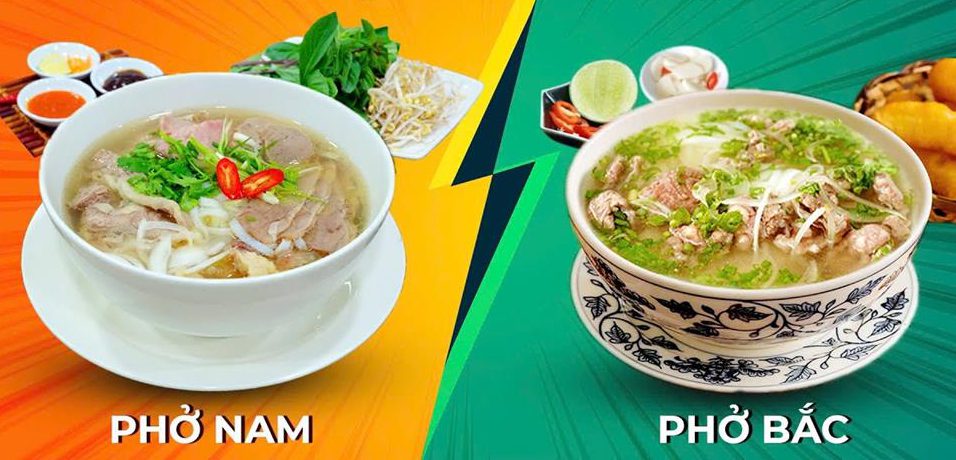
Pho first appeared around the early 20th century in the Northern Vietnamese Red River Delta and is believed to have emerged from a culinary exchange between French bone-based soup-making techniques and the traditional Vietnamese dish known as “xao trau.” Through historical migration, Pho gradually spread throughout Vietnam and across the world, with each region adapting it to local tastes — resulting in two of the most distinct styles: Northern Pho and Southern Pho.
The essential components of an authentic bowl of Pho include:
- Broth: The soul of the entire bowl, simmered from beef bones (or chicken bones) for many hours, combined with grilled ginger, grilled onions, and spices such as cinnamon, star anise, black cardamom, and cloves. Together, they create a naturally sweet, aromatic yet delicate flavor without being overwhelmingly spicy.
- Rice noodles: Made from rice flour that is steamed into thin sheets and then cut into noodles. Their thickness varies by region — Northern Pho typically uses thinner, softer noodles, while some areas of Central and Southern Vietnam prefer wider and chewier noodles.
- Meat: Beef is the most common choice, with options such as rare beef, well-done beef, brisket, fatty brisket, tendon, and beef meatballs. Chicken Pho is also extremely popular thanks to its lighter and more delicate flavor.
- Herbs and seasonings: Traditional Northern Pho is usually served with scallions and Vietnamese coriander, while Central and Southern styles often come with a plate of fresh herbs, bean sprouts, lime, fresh chili, hoisin sauce, and chili sauce, allowing diners to adjust the flavor to their preference.
The Actual Flavor Experience
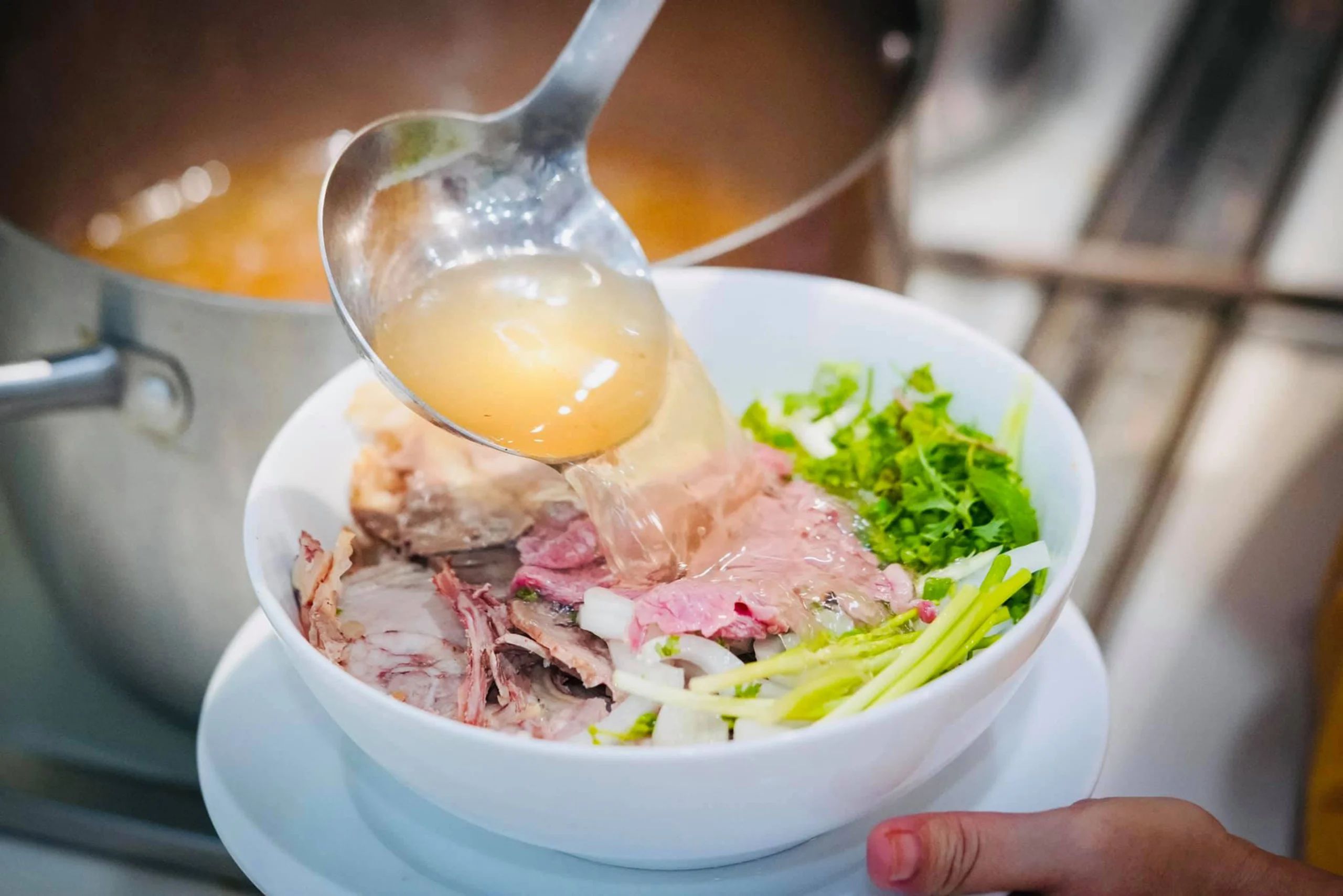
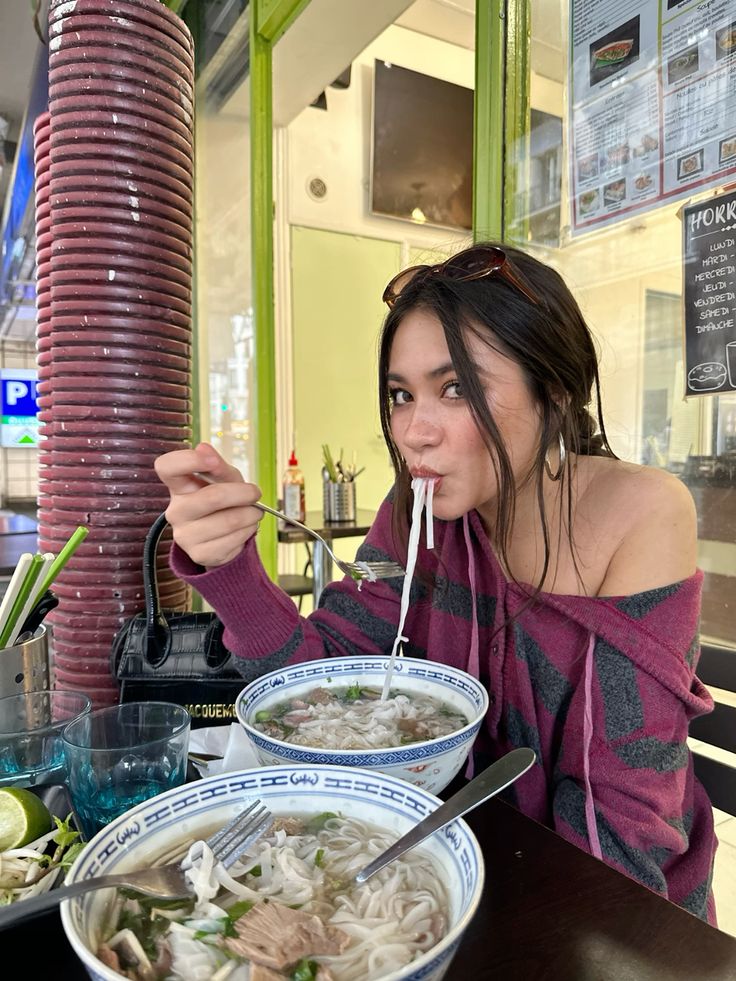
The first spoonful of broth is always the moment that determines whether a bowl of Pho is truly good. The broth should be clear, naturally sweet from hours of simmering bones, rather than having the sharp sweetness of artificial seasoning, with a gentle aroma of cinnamon and star anise that is noticeable but never overpowering. When you pick up soft rice noodles together with slices of rare beef cooked just enough, the first impression is one of balance — neither too rich nor too bland, but flavorful enough to make you want to finish every last drop of broth even when you are already full.
With Central or Southern-style Pho, adding fresh herbs, bean sprouts, and a little lime and chili creates a fresher and more flavorful layer compared with the original Hanoi-style preparation, which traditionally relies mainly on scallions and Vietnamese coriander. This is exactly why many travelers journeying across Vietnam eventually realize: the same dish can tell a completely different story of flavor in each region.
The ideal time of day to enjoy a delicious bowl of Pho is early in the morning, when the broth has just finished its overnight simmering and still retains its clearest appearance and richest natural sweetness.
The Best and Most Authentic Pho Restaurants in Da Nang You Shouldn’t Miss
Pho An Nam
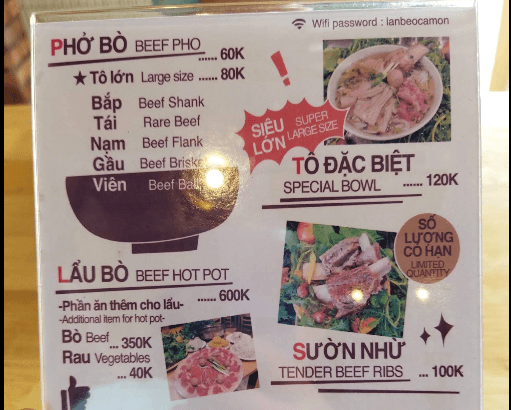
- Specialty: The restaurant receives many compliments for its refined and modern approach to Pho, with a crystal-clear broth simmered from marrow bones and a gentle natural sweetness rather than an overpowering MSG flavor. The quality of the beef is also highly regarded, especially the tender flower-cut beef shank and beef marrow, served in generous slices. The spacious, air-conditioned interior is located near the Han River culinary district, making it suitable for families, larger groups, or visitors looking for a more comfortable dining experience.
- Address:: 45 Tran Van Tru, Hoa Cuong, Da Nang
- Opening hours: 06:00 – 17:00
- Price range: 60,000 – 120,000 VND/bowl
- Phone: 0905550060
Pho Hong
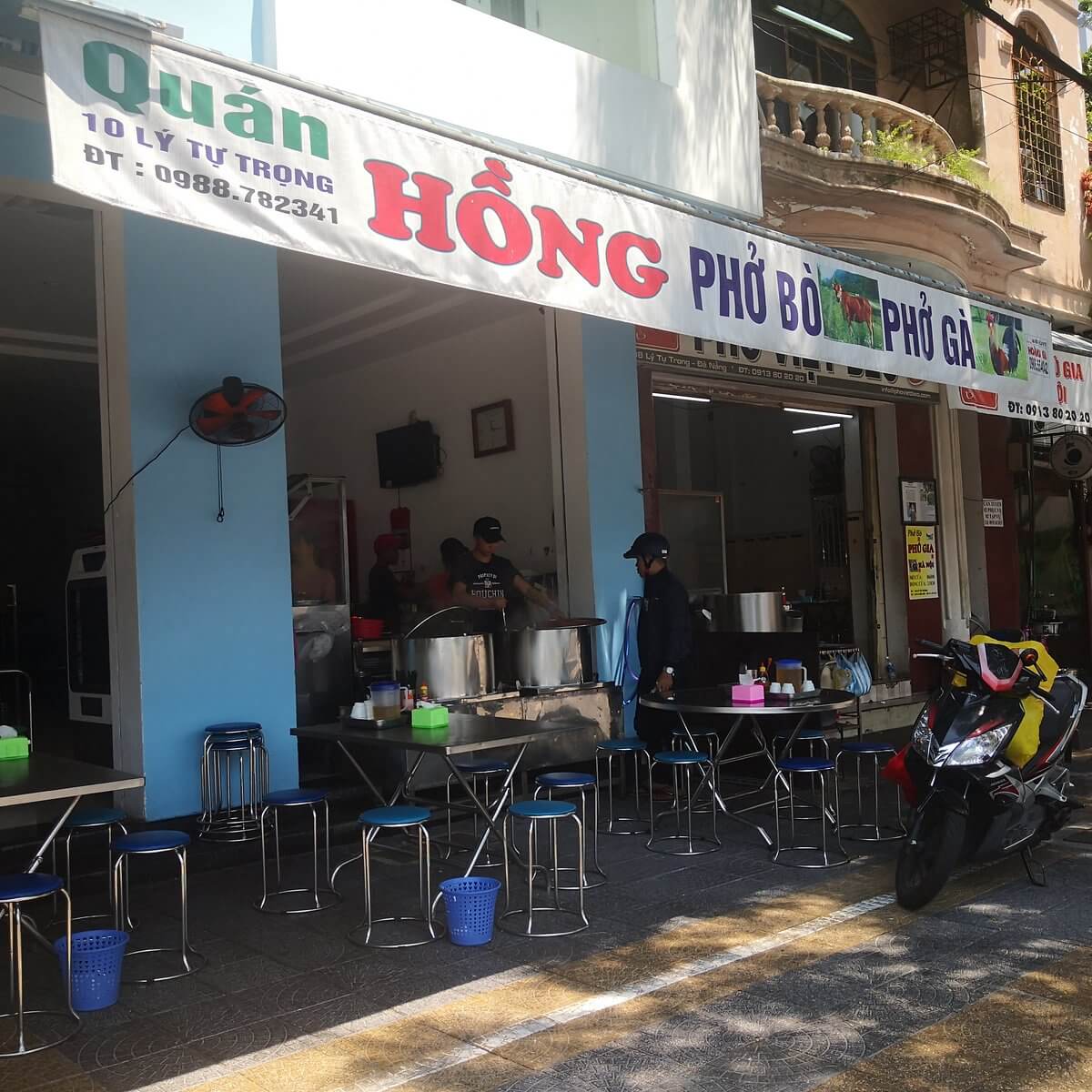

- Specialty: Diners particularly appreciate the rich broth, fragrant with cinnamon, star anise, and scallions. One of the restaurant’s biggest highlights, which has made it popular on social media, is the crispy fried dough sticks served with steaming Pho broth and homemade spicy Central Vietnamese chili sauce. The restaurant is often bustling with both tourists and locals, yet service remains remarkably quick even during busy hours.
- Address:: 10 Ly Tu Trong, Hai Chau, Da Nang
- Opening hours: 06:00 – 20:00
- Price range: 60,000 – 70,000 VND/bowl
- Phone: 0988782341
Pho Bac Hai
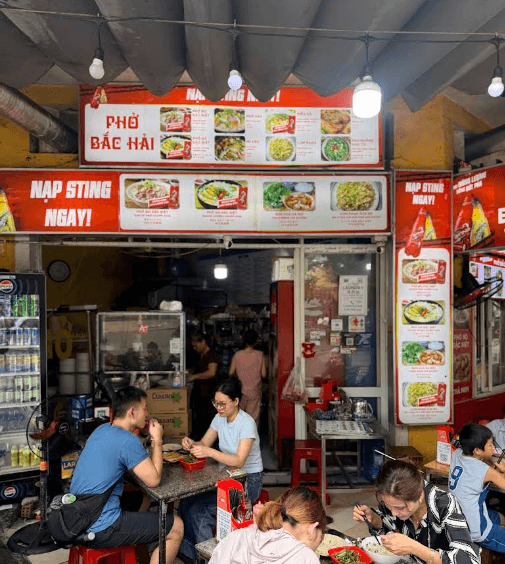
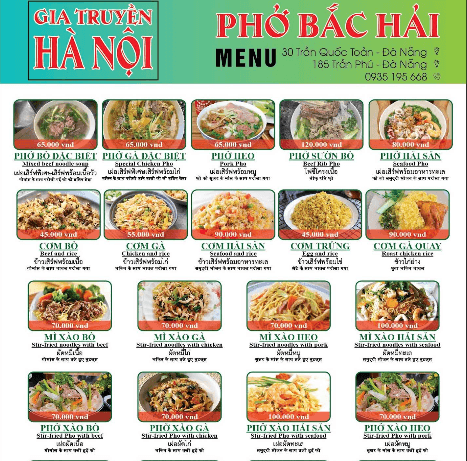
- Specialty: A legendary late-night Pho destination that preserves the traditional Northern-style Pho experience: a rich and flavorful broth, a steaming and generously filled bowl with rare beef or brisket, and plenty of scallions. Its biggest advantage is its central location and 24-hour opening hours, with very fast service, making it a familiar “late-night lifesaver” for travelers exploring the city after dark or night owls looking for a hot meal.
- Address:: 185 Tran Phu, Hai Chau, Da Nang
- Opening hours: 00:00 – 24:00
- Price range: 45,000 – 70,000 VND/bowl
- Phone: 0988782341
Pho Trang Da Nang
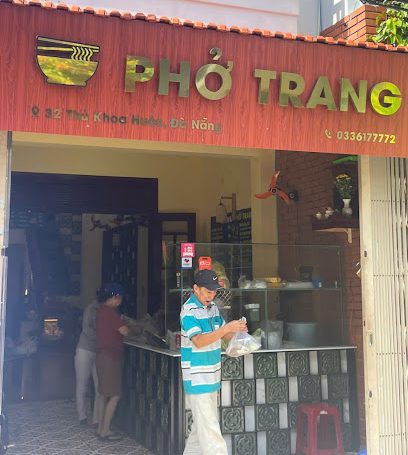
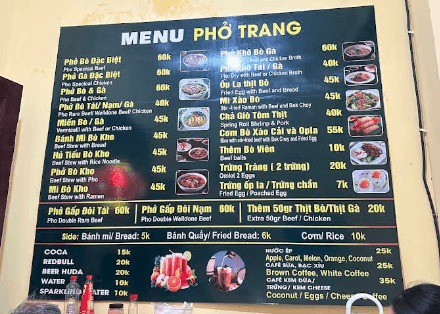
- Specialty: A casual and welcoming destination in the Son Tra area, with the advantage of being open continuously from early morning until late evening. Reviews generally describe the broth as approachable and well-balanced for a wide range of tastes, with generous portions and fast service. It is a suitable choice for travelers looking for a satisfying, affordable meal without having to wait long or seeking an especially strict regional Pho style.
- Address:: 32 Thu Khoa Huan, An Hai, Da Nang
- Opening hours: 05:30 – 22:00
- Price range: 45,000 – 60,000 VND/bowl
- Phone: 0336 177 772
Pho Thu
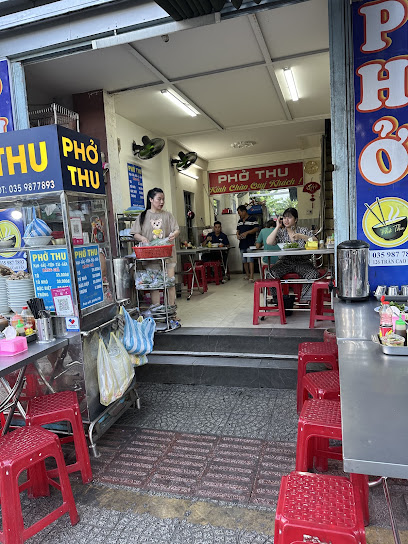
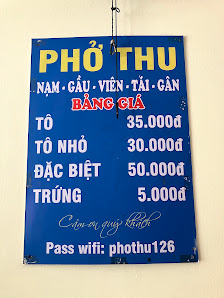
- Specialty: This restaurant serves a Southern-style Pho, with a broth that has a gentle sweetness and moderate richness. It is less strongly scented with cinnamon and star anise than Northern Pho, making it particularly appealing to diners who enjoy Saigon-style flavors or international visitors. The generous bowl comes with tender fresh beef, herbs, bean sprouts, and clear, flavorful chili sauce. Although the restaurant is compact, it is clean and bright, with friendly and welcoming service from the owners.
- Address:: 126 Tran Cao Van, Thanh Khe, Da Nang
- Opening hours: 06:00 – 22:00
- Price range: 35,000 – 50,000 VND/bowl
- Phone: 0359 877 893
Note: Prices, addresses, and opening hours of food establishments may change over time. We recommend checking the latest information before visiting.
Tips for Enjoying Pho
- Taste the broth first: Take a spoonful of the broth before adding lime, chili, or sauces. Seasoning it immediately can make it difficult to appreciate the natural sweetness from the bones.
- Know the difference between Northern and Southern Pho: If you prefer a lighter and more delicate flavor, choose a restaurant specializing in Hanoi-style Pho. If you enjoy stronger flavors with more fresh herbs and accompanying seasonings, Central and Southern-style restaurants may suit you better.
- Order extra fried dough sticks if available: Dipping crispy fried dough sticks into the Pho broth is a delicious experience that not every visitor knows about.
- Don’t over-season: Add chili sauce, hoisin sauce, lime, and other seasonings little by little, tasting after each addition so you don’t overpower the natural sweetness of the broth.
Conclusion
A culinary journey through Vietnam can be experienced through a single bowl of Pho — from the delicate and understated flavors of Hanoi to the richer, herb-filled versions found in Central and Southern Vietnam. Each regional variation tells its own story and reflects a distinct local food culture, yet they all share the same essential soul: a carefully prepared broth simmered slowly from bones.
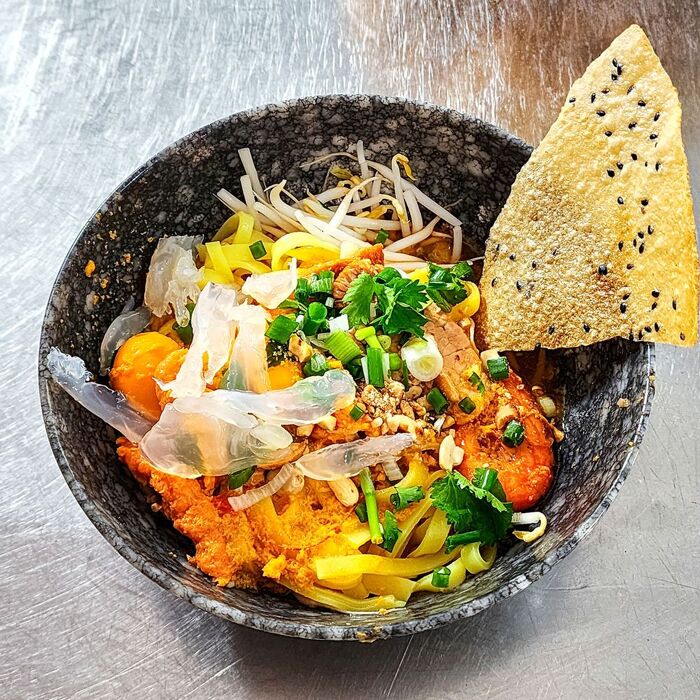
If you are ready to continue exploring the distinctive flavors of Central Vietnam, don’t miss our guides to Mi Quang and Banh Trang Cuon Thit Heo in our Local Food section.

Bài viết liên quan