

 Русский
 日本語
日本語 한국어
한국어 中文 (中国)
 Việt
Việt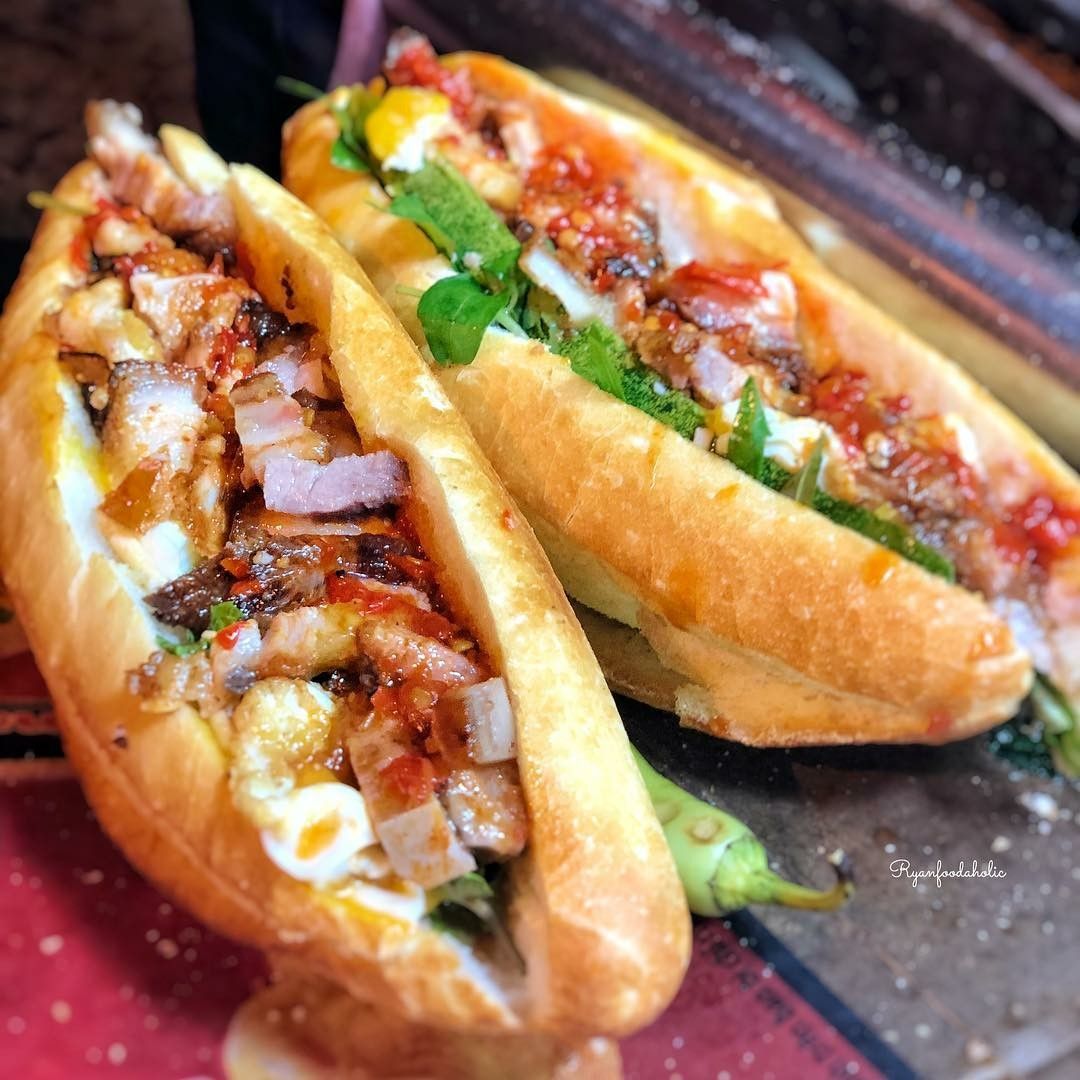
Few people realize that a familiar street-side Banh Mi carries with it a story of cultural exchange spanning more than 150 years. Vietnamese Banh Mi is a localized version of the French baguette, featuring a crispy crust and airy interior filled with pate, cold cuts, Vietnamese sausage, fresh herbs, and pickles — and the best places to enjoy it are still the shops that preserve their own pate recipes and bake the bread until hot and crispy when customers order.
What Is Vietnamese Banh Mi and What Makes It Different?
Baguettes were introduced to Vietnam, particularly Saigon, in 1859, when the French launched their expedition to capture Gia Dinh. They brought their traditional baguette with them. At first, it was mainly considered a snack rather than a proper meal that could replace the traditional Vietnamese rice-based meal.
Over the following decades, Banh Mi gradually spread throughout Vietnam, but it became especially popular in Saigon, where locals adapted the long baguette into a shorter loaf, around 20–40 cm long, with a more hollow interior that could hold a generous amount of filling — an adaptation that laid the foundation for the Vietnamese-style stuffed Banh Mi we know today.
By the 1950s–1960s, as demand for Banh Mi increased in Saigon, traditional French brick ovens could no longer meet the demand. This encouraged the creation of the “drum oven” — a homemade baking system made from large metal drums that helped make Banh Mi more accessible to people from all walks of life.
After 1975, through waves of Vietnamese migration, Banh Mi became popular in many countries around the world and can now be found almost everywhere Vietnamese communities have settled.
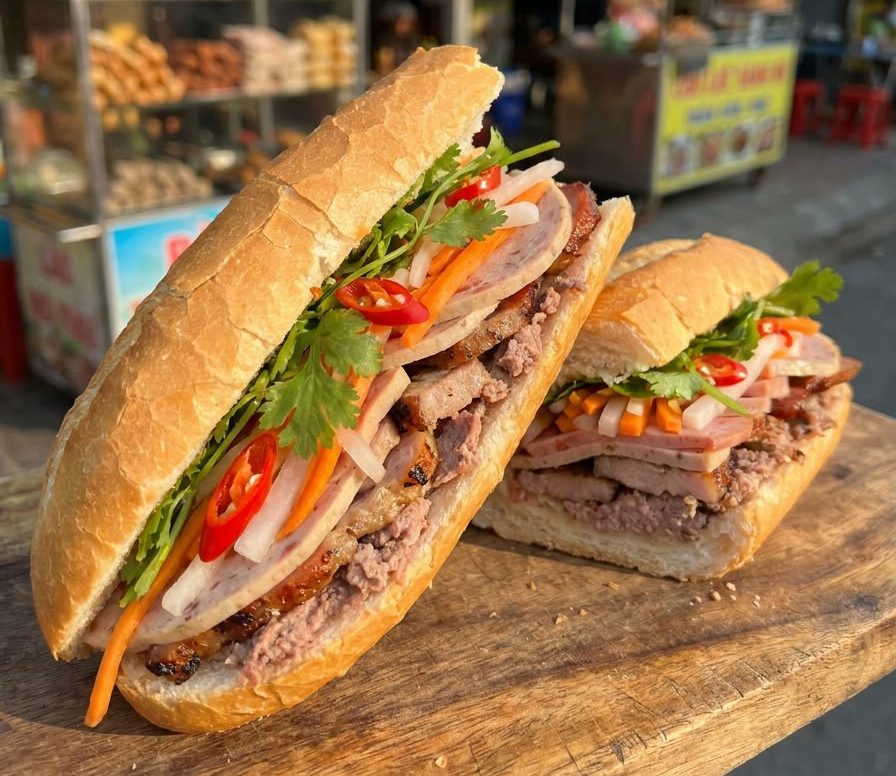
The essential components of an authentic Vietnamese Banh Mi include:
- Bread: Unlike the thick and hard crust of a traditional French baguette, Vietnamese bread has a thin, crispy crust while the inside is light and airy, making it much easier to eat.
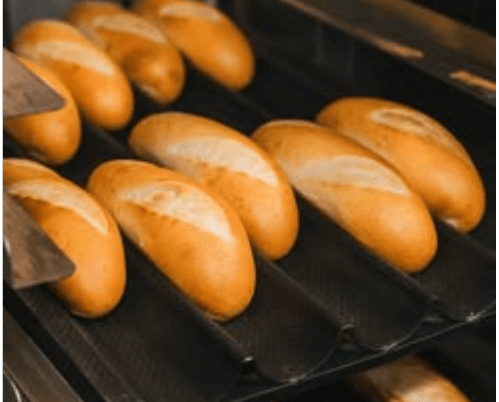
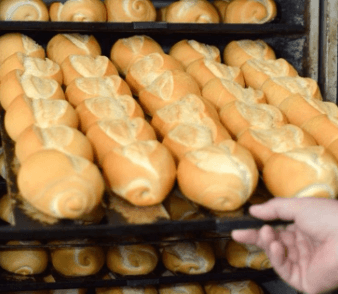
- Filling: Rich and creamy pate is an almost essential ingredient, combined with cold cuts, Vietnamese pork sausage, or cinnamon pork sausage. Some versions also include eggs or grilled meat depending on the region.
- Herbs and pickles: Vietnamese coriander, cucumber, and pickled carrots and daikon create a refreshing crunch that balances the rich and savory fillings.
- Sauce: Mayonnaise, butter, or a house-made seasoning sauce is added depending on the shop, along with fresh chili for those who enjoy spicy food.
The Actual Flavor Experience
Taking the first bite while the crust is still hot and crispy, you hear the satisfying crunch at the same moment the rich pate and mayonnaise spread across your palate — this is the moment that often determines whether a Banh Mi is truly good. Then comes the lightly salty and savory flavor of the cold cuts and Vietnamese sausage, balanced by the crisp, tangy pickles and the fresh, aromatic taste of Vietnamese coriander — creating a perfect combination of richness, saltiness, acidity, and heat inside one compact loaf.


What makes even more interesting is that each region of Vietnam has developed its own distinctive version — from Saigon Banh Mi with its wide variety of fillings, to Hoi An Banh Mi, internationally famous for its delicate combination of different types of pate and sauces, and the compact Da Nang Banh Mi Que, a small and crispy baguette made with just a few simple ingredients but still capable of leaving a lasting impression. s best eaten immediately after being freshly baked, and it is an incredibly versatile food, suitable for breakfast, an afternoon snack, or even a light late-night meal.
Recommended Places for the Best and Most Authentic Banh Mi
Ùmm Banh Mi & Cafe – Chau Thi Vinh Te
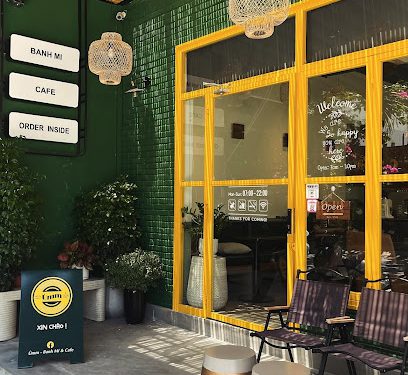
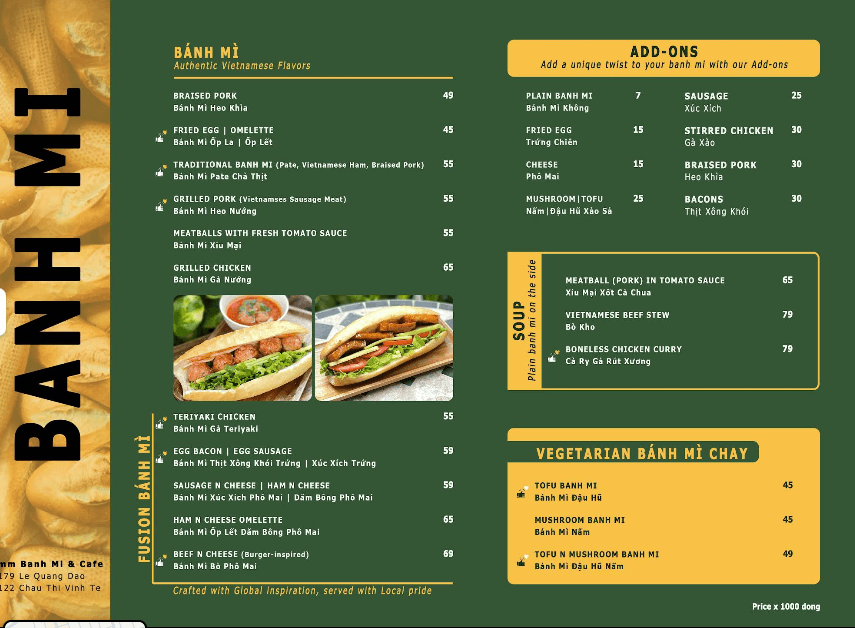
- Specialty: A modern combination of a Banh Mi shop and a chill cafe, particularly popular with young people and international visitors in the Ngu Hanh Son area. One of the highlights here is the beautifully presented “Banh Mi platter” combos, offering a variety of fillings such as richly flavored meatballs, fragrant grilled pork, tender beef steak, and garlic butter. The shop is clean and air-conditioned, making it suitable for a relaxed breakfast or lunch as well as a place to enjoy coffee.
- Address: Ùmm Banh Mi & Cafe – Chau Thi Vinh Te
- Opening hours: 07:00 – 17:00
- Price range: 49,000 – 65,000 VND/platter
- Phone: 0772221282
Banh Mi Quynh Anh
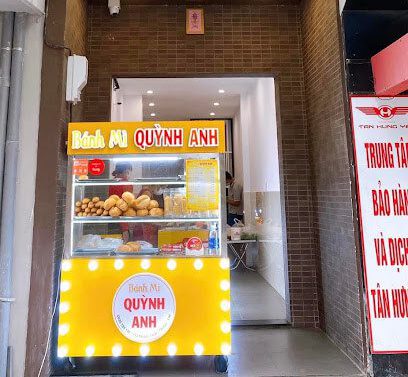
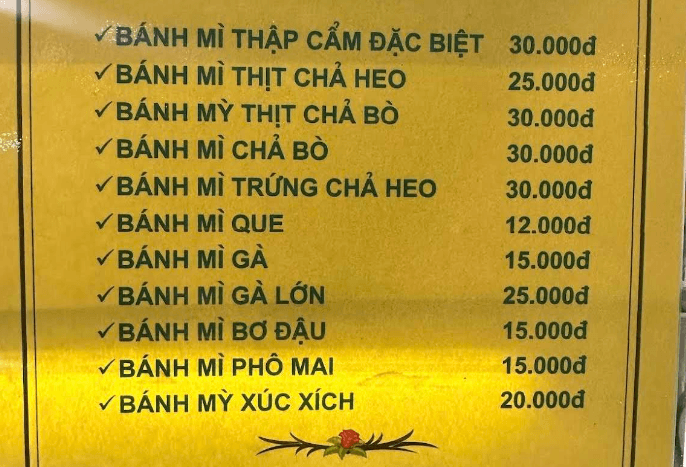
- Specialty: A familiar destination for generations of Da Nang locals, known for generous fillings and very affordable prices, making it ideal for a quick breakfast without compromising on flavor. The bread is always freshly toasted until crispy, spread with rich pate and fragrant egg butter, then filled with Vietnamese beef sausage and traditional red-roasted pork.
- Address: 132 Phan Chau Trinh, Hai Chau, Da Nang
- Opening hours: 06:00 – 21:00
- Price range: 12,000 – 35,000 VND/loaf
- Phone: 0935785138
Banh Mi Co Kim
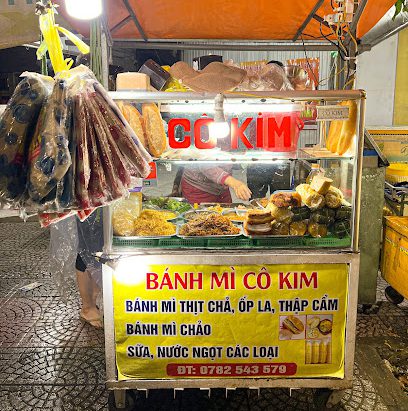
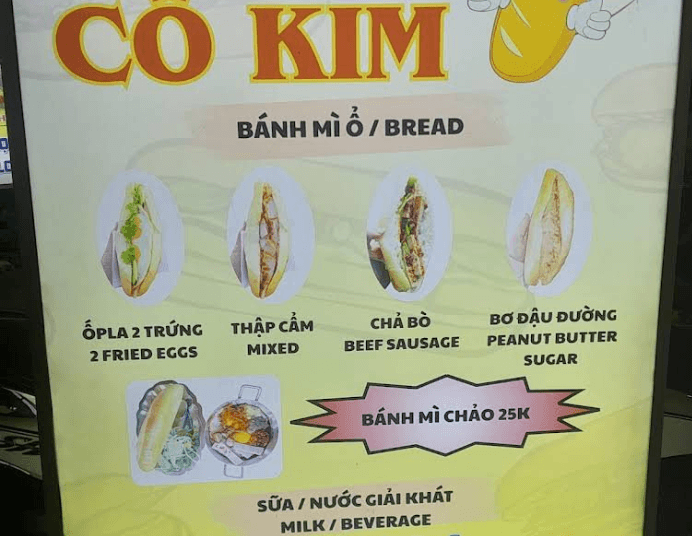
- Specialty: A legendary late-night Banh spot that is especially popular among young people and visitors exploring Da Nang after dark. What makes the shop particularly special is its opening hours, operating through the night until 3:30 AM. The Banh Mi is generously filled with richly marinated grilled pork, slightly charred and incredibly fragrant, along with crispy and juicy pork or beef sausage. A spicy local-style chili sauce adds an extra kick, making it an ideal choice for satisfying late-night hunger.
- Address: 912C Ngo Quyen, An Hai, Da Nang
- Opening hours: 16:30 – 03:30
- Price: 25,000 VND/loaf
- Phone: 078254357
Note: Prices, addresses, and opening hours of food establishments may change over time. We recommend checking the latest information before visiting.
Tips for Enjoying Banh Mi
Choose a shop that bakes the bread when you order: this is one of the most important signs that your Banh will arrive hot and crispy rather than having been sitting around for a while. Try different regional versions if you have the chance to travel around Vietnam: each place has its own character, from the generous fillings of Saigon Banh Mi to the refined flavors of Hoi An Banh Mi .
Ask for extra pickles or herbs if you prefer a fresher taste: most shops are happy to add more at no extra charge or for only a small additional fee. Add some fresh chili if you enjoy spicy food: don’t hesitate to ask for more if you want a stronger kick, especially in Central Vietnam, where local dishes tend to be spicier.
Eat it soon after buying: Banh left inside a tightly closed bag will become soft from trapped steam and lose its signature crispiness — it is best enjoyed within 15–20 minutes after purchase.
Conclusion
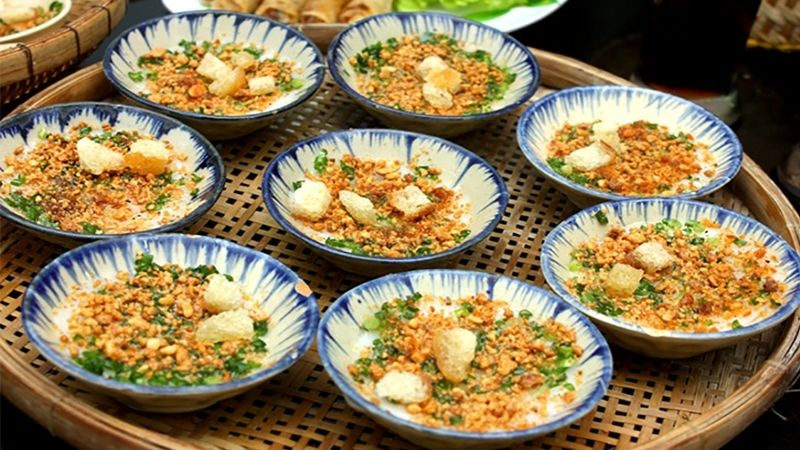
Da Nang Banh Mi may be affordable and simple, but it carries a distinctive character unlike anywhere else — especially through the image of the small, compact banh mi que, which has become part of the culinary memories of generations of Da Nang locals. If you still want to discover more distinctive flavors of Central Vietnam, don’t miss our articles about Banh Xeo or Banh Beo in our food section.

Bài viết liên quan